


Coaching in Sports and Leading in Business: The Common Ground

This spring, I am assisting with coaching an AAU basketball team, primarily supporting practices and providing guidance to the players, who range from 8th to 11th grade. The group has been respectful and engaged throughout the season. While introducing a new drill to the team recently, I was reminded of a similar experience last week, when I presented a new concept to leaders from a local hospitality organization. Although the subject matter differed, both situations required effective communication, motivation, and instructional skills. Whether one is coaching a sports team or managing a professional office, these core competencies are critical for enhancing performance and facilitating growth.
The Teacher

As noted by renowned basketball coach John Wooden in his book Wooden on Leadership, "The coach is first of all a teacher." In both scenarios I encountered, it was essential not to assume my communication had been clear; instead, I evaluated whether clarification was necessary and encouraged open dialogue. Both accomplished coaches and business leaders are committed to sharing their expertise and fostering the growth of their teams. To enhance teaching effectiveness, consider the following strategies:
Provide Clear Instructions: Decompose tasks or plays into manageable steps to ensure clarity and accessibility for all participants.
Offer Constructive Feedback: Deliver targeted feedback that highlights strengths and identifies areas for improvement.
Encourage Continuous Learning: Facilitate ongoing skill development through structured training programs or mentorship opportunities.
The Motivator
Change can be intimidating, and gaining support for it is often challenging. It's essential to help people recognize the advantages of embracing change and to generate enthusiasm for moving forward. Many younger team members have never experienced coaching, while in business; individuals are frequently managed rather than inspired. The goal is to have both groups understand the vision and appreciate how it benefits them. Inspiring excitement is equally vital in the workplace as it is in sports. To enhance your motivational abilities:
Set Clear Goals: Guide your team by clarifying objectives and explaining their significance.
Celebrate Success: Highlight all achievements—large or small—to foster confidence and dedication.
Stay Positive: especially when facing adversity, to uplift morale. You are the “lighthouse” showing the way.
The Communicator
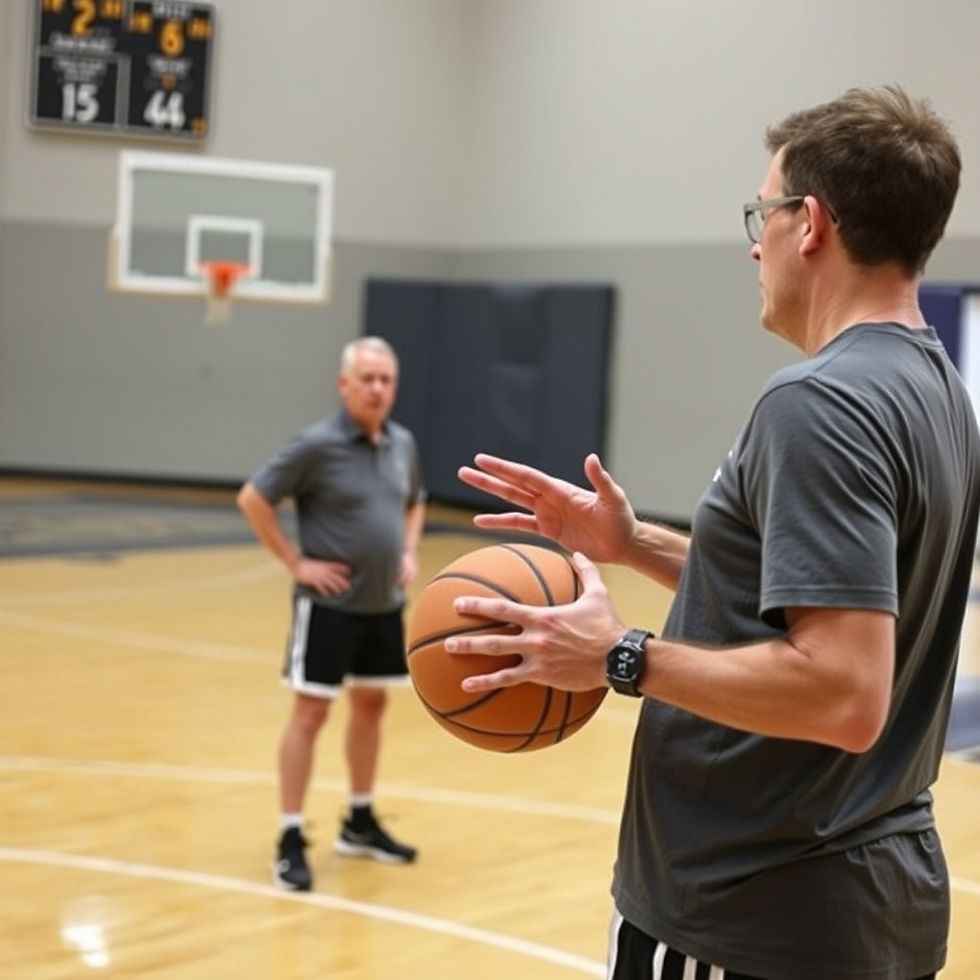
The sender—not the receiver—is responsible for making sure their message is understood. Great coaches and teachers adjust to the listener’s way of communicating rather than sticking to their own style. Since I no longer have high school-aged children, I need to take time to learn and adapt to their communication preferences. My recent session included participants from various age groups, so I had to ensure my message was clear to everyone. Effective communication brings everyone together and promotes teamwork. Here are some ways you can improve your communication:
Listen Actively: Pay close attention, ask questions, and show others that their input matters.
Be Transparent: Communicate openly to build trust and avoid misunderstandings.
Adapt Your Message: Adjust how you communicate to fit different personalities and situations.
Whether you’re coaching young athletes or guiding business professionals, the foundational principles remain constant. By sharpening your abilities as a teacher, motivator, and communicator, you empower your team to achieve success—whether that’s on the basketball court or in the office.
If you are interested in hearing more about training programs or my leadership/coaching
philosophy contact me at (610) 756-9313 or by email at bill@MeltonHospitaityAdvisors.com.


Comments